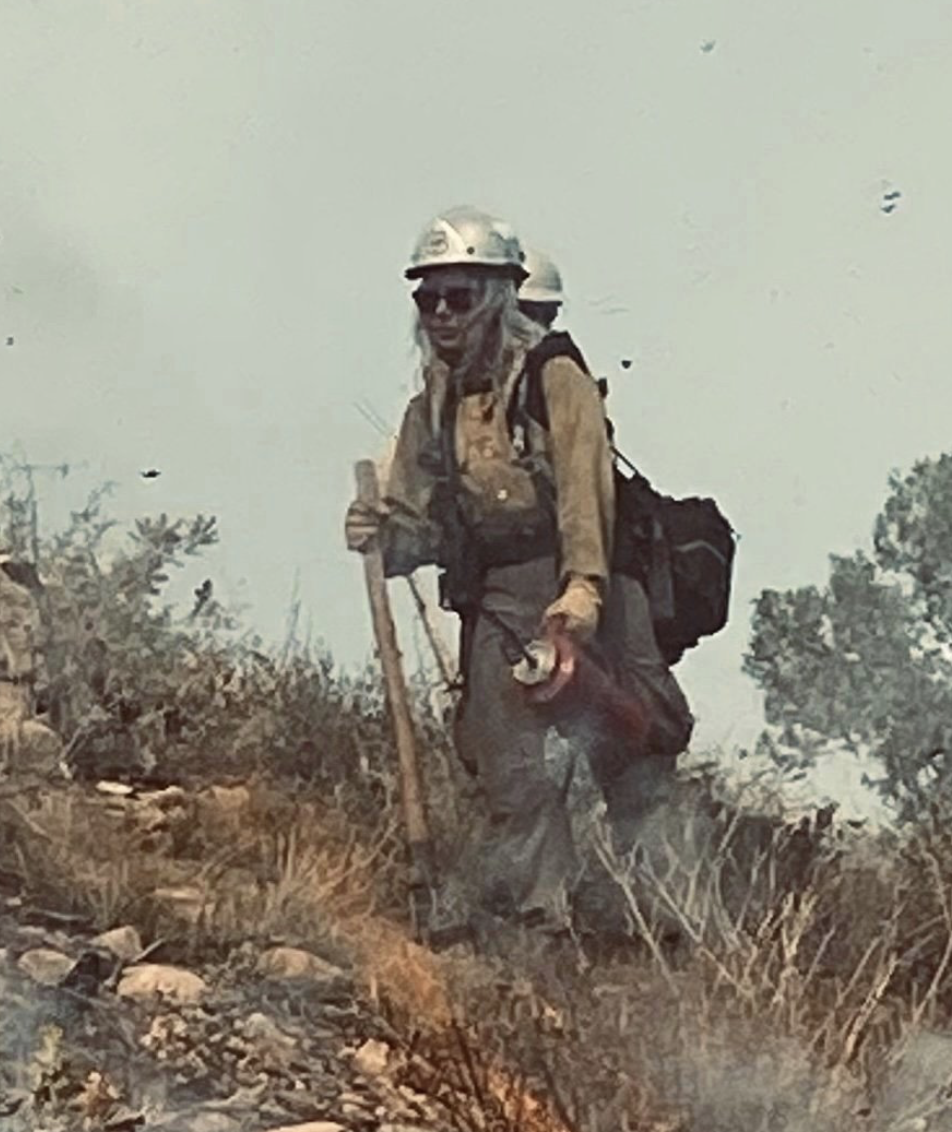
Dirty August: Utah's Record Wildfire Season
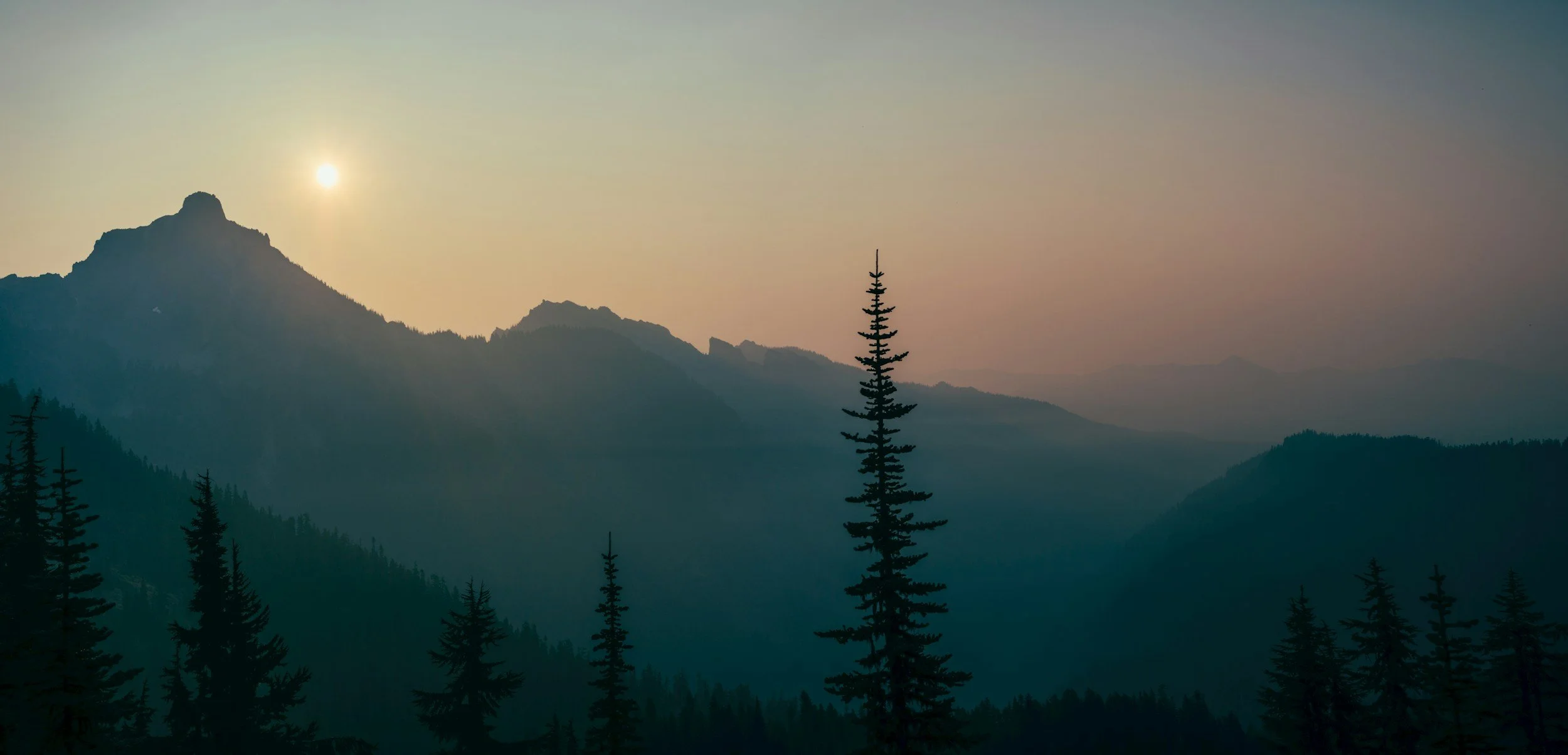
"Dirty August” is the month’s branding from wildland firefighters who just spent hundreds of hours on the fireline throughout the summer and have even more yet to go. Why? Because it’s usually the most intense month for those working against the flames.
As of early August, more than 474,000 acres have burned across Utah from over 750 fires in 2026. University of Utah researchers confirm 2026 already set a record for wooded and forested acres burned in a single year (about 285,000 acres! That’s more than any year in their 40-year dataset). Three fires this year have each burned more than 60,000 acres of trees. Before this year, that had only happened seven times since 1986. 2026 is, so far, marked as the second-worst fire season recorded in history, following only 2007.
Governor Cox said conditions are "catastrophic" when the Widemouth 2 Fire near Fillmore exploded in size, forcing evacuations. It's one of three fires this year — alongside the Babylon Fire near Canyonlands National Park and the Cottonwood Fire near Beaver, which destroyed more than 150 structures — that surpassed Utah's decades-old records.
What is in our control
Fire causes a shift over the course of a season. Earlier this summer, the state said as much as 75-80% of the year's fires were human-caused, which is part of why Governor Cox declared a state of emergency in June. As monsoon activity picked up in July and August, lightning has driven more of the largest fires — Widemouth 2 and Cottonwood among them. Both patterns matter: human-caused fires are the ones most within an individual's control to prevent, and lightning-caused fires are the ones defensible space does the most to protect against once they start.
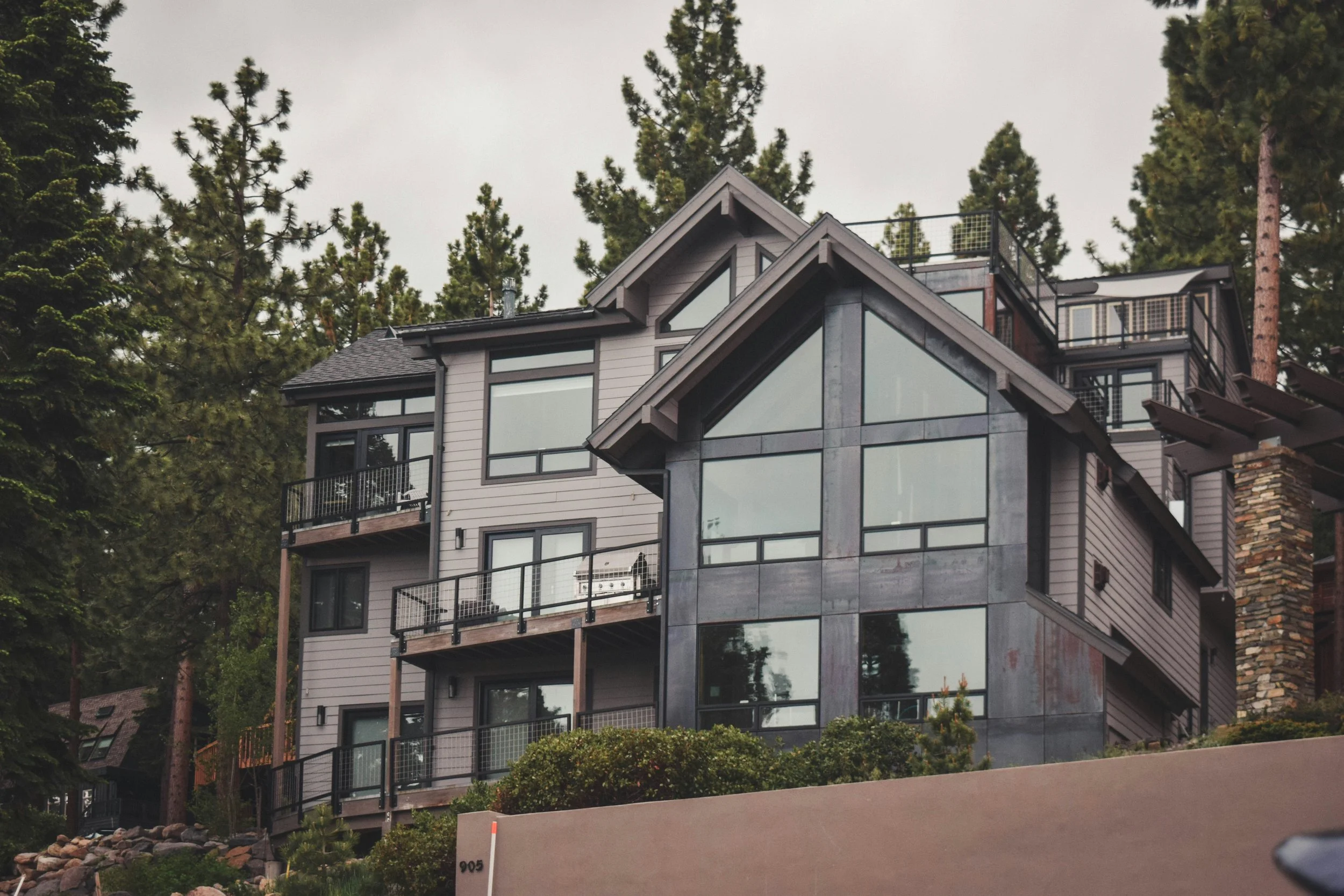
What this means for your property
Overgrown trees, dead branches, and built-up debris near a house are problems that affect everyone — from LA to Maui to Utah. A few things worth doing now, especially if you're anywhere near the foothills or open space:
Clear dead and dying branches, especially anything overhanging a roof or close to a structure.
Thin dense stands of trees so fire has less of a path and momentum to travel between them.
Keep debris and dry brush cleared from around the base of trees, near the home, and the perimeter of your property.
Watch for stressed trees. A drought-stressed tree is not only more likely to be hit by pests but also creates drier fuel — allowing it to go from a minor issue to a life-threatening hazard fast.
While none of these guarantee a wildfire won't happen, defensible space is one of the few things that's actually up to you and makes a real difference for how a fire behaves if it does reach your property.
If you're not sure where you stand
A lot of people love their land, their trees, their view and—understandably—don't want to change a thing! We feel you… What most home and land owners don’t realize is how many of their beloved trees/vegetation are either too close to, or crowded near, the home (often overhanging the porch or roof) and that defensible space work can create both a safer home and maintain, even enhance, the natural beauty of your property.
If you want a second set of eyes on your property before things ramp up this month, that's exactly the kind of walk-through we do.
Get in touch! Request a free quote or schedule an in-person assessment.
No overselling, no scare tactics. Real forestry experts with wildland firefighting backgrounds who are passionate about the firewise communities we’re creating together.